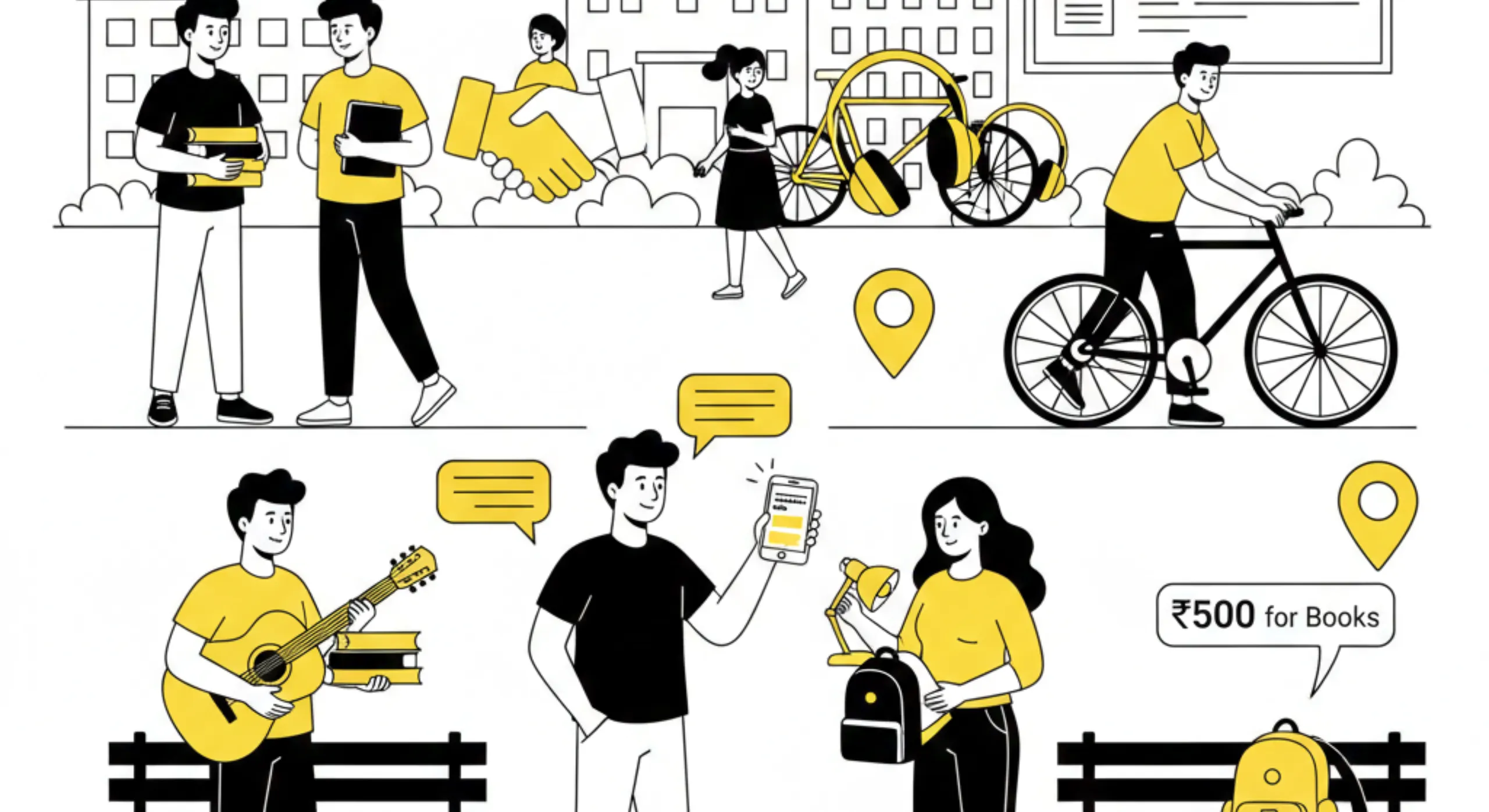



You need a bicycle for three months while your car is being repaired. Your child wants to try guitar lessons before committing to an expensive instrument. You’re hosting relatives for a few weeks and need extra beds. A work-from-home project requires a proper desk, but only for six months.
Buying everything new doesn’t make financial sense when you already know the usage period is limited. But going without or compromising on comfort and productivity isn’t a good option either.
Rental services exist, but monthly fees add up fast. After four to six months, you often end up paying close to the cost of buying new and still don’t own the item.
Local second-hand buying through sympl offers a smarter middle ground. You can buy what you need at affordable prices, use it for the required period, then sell it again locally. The effective cost stays very low, and nothing goes to waste.
The Problem With Buying New for Temporary Needs
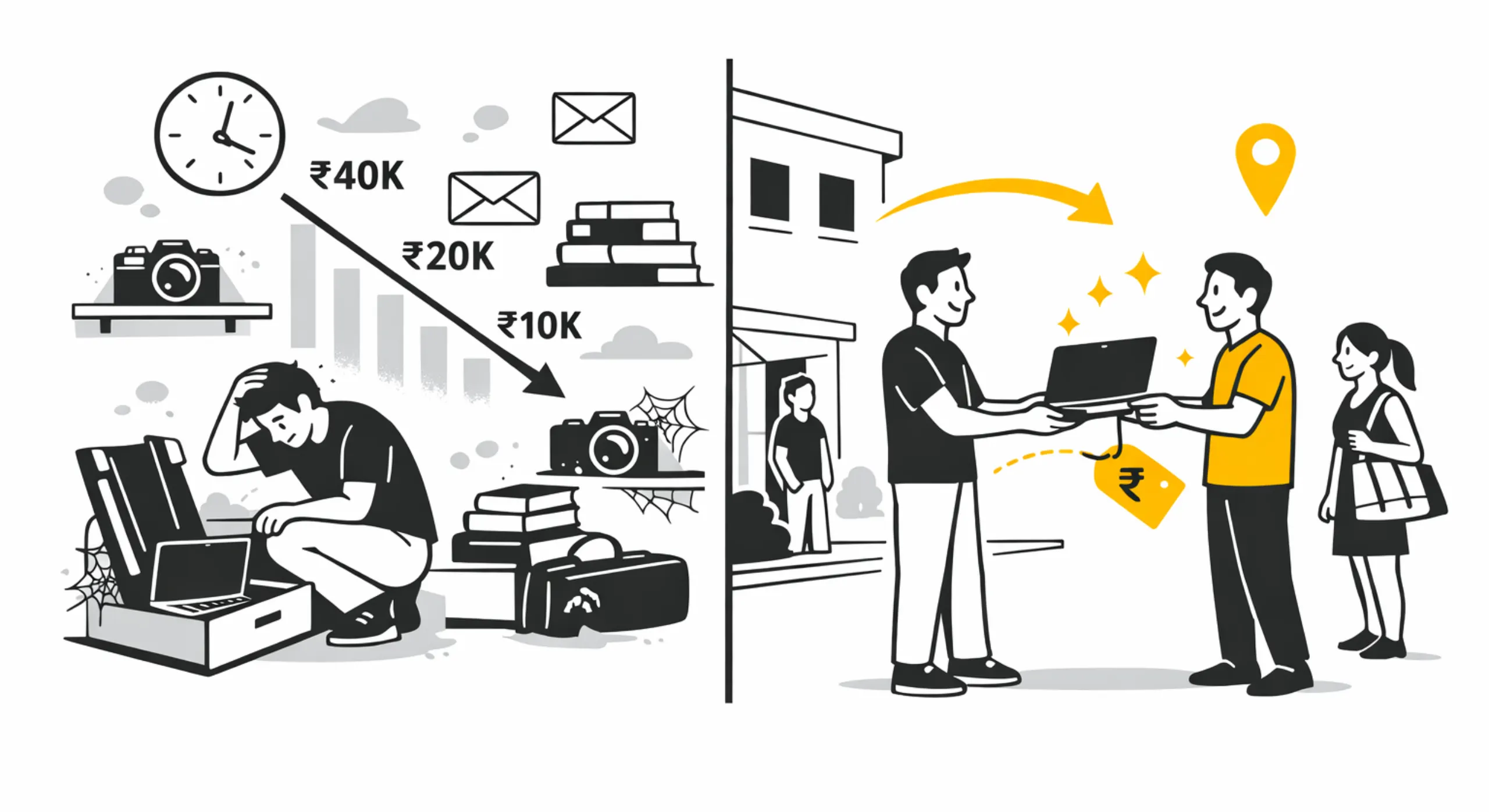
Most products lose value the moment they’re purchased. This depreciation hurts the most when you only need the item briefly.
Common challenges include:
- Immediate value drop: New items lose 30–50% value instantly
- High upfront cost: Full price for limited use makes no sense
- Resale losses: Even lightly used items sell at a discount
- Commitment pressure: Buying new feels like a long-term decision
- Storage burden: Short-term purchases often sit unused afterward
People usually make one of two mistakes: overspending on new items they barely use, or going without and lowering comfort or productivity.
Common Short Term Needs in Indian Households
Temporary needs are more common than we realize.
Children’s development phases
Bicycles, sports equipment, musical instruments, hobby materials—used for months, then outgrown or abandoned.
Seasonal requirements
Heaters, air coolers, monsoon gear, festival decorations.
Temporary living situations
Furniture for rental homes, appliances for short assignments, vehicles for short stays.
Trial periods
Gym equipment, craft supplies, professional tools to test skills before committing.
Guest accommodation
Extra beds, chairs, dining items for visitors staying weeks or months.
Project-based needs
WFH setups, renovation tools, short-term business equipment.
Health recovery
Medical equipment or specialized furniture needed only during recovery.
In all these cases, buying new means paying full price for partial use. Buying second-hand locally through sympl is far more practical.
How Second-Hand Buying Works for Short-Term Use
The idea is simple and effective: buy → use → sell.
Example: Bicycle for a temporary need
Buy used for ₹3,000 → use for 4 months → sell for ₹2,500
Effective cost: ₹500
New bicycle: ₹8,000–10,000 with heavy resale loss.
Example: Guitar for trial lessons
Buy used for ₹4,000 → sell after 3 months for ₹3,500
Effective cost: ₹500
New beginner guitar: ₹8,000–12,000.
Example: Study desk for a short project
Buy used for ₹2,000 → sell after 6 months for ₹1,800
Effective cost: ₹200
New desk: ₹6,000–8,000.
Second-hand items have already taken their biggest depreciation hit. That’s why prices stay stable and why sympl works so well for short-term needs.
Finding Quality Second-Hand Items Locally With sympl
What sells well second-hand:
- Functional furniture
- Working appliances and electronics
- Bicycles and fitness equipment
- Children’s items
- Musical instruments
- Professional tools
How to check quality:
- Test electronics and appliances
- Check furniture stability
- Focus on usability, not cosmetic flaws
- Ask about age and reason for selling
- Request demonstrations if needed
Meeting local sellers through sympl lets you inspect items properly—something distant online buying can’t offer.
The Buy–Use–Sell Cycle With sympl
Think of second-hand buying as a cycle.
When buying:
Choose popular brands, standard sizes, and neutral designs—they resell faster.
During use:
Basic care helps maintain resale value.
When selling:
List items immediately once you’re done. Delays reduce value and increase clutter.
This cycle works best for:
- Children’s items
- Seasonal goods
- Trial hobby equipment
- Common furniture and appliances
Time and Money Benefits
Money saved:
- Pay 40–70% less upfront
- Recover 70–90% when selling
- Effective usage cost under 20% of new price
- Avoid rental fees
- No regret over wasted purchases
Time saved:
- Buy and bring items home the same day
- No delivery delays
- Sell quickly to local buyers
- No complicated return processes
Example:
Air cooler for one summer
- New: Buy ₹12,000 → sell ₹6,000 → loss ₹6,000
- Via sympl: Buy ₹5,000 → sell ₹4,000 → loss ₹1,000
Same usage. Massive difference.
Why sympl Makes This Approach Practical
The buy–use–sell model only works when both buying and selling are easy.
- Fast local purchases when needs arise
- Quick resale when needs end
- No shipping hassles for bulky items
- Direct inspection builds confidence
- No platform fees mean better value
sympl keeps everything local, fast, and practical exactly what short-term needs require.
Items Perfect for Short-Term Second-Hand Use
Always good choices:
- Bicycles and scooters
- Children’s furniture
- Fans, heaters, air coolers
- Exercise equipment
- Study desks and chairs
- Beginner musical instruments
- Seasonal items
- Guest furniture
Usually good choices:
- Kitchen appliances
- Tools for specific projects
- Temporary professional clothing
- Travel gear
- Hobby equipment
- Baby items
Better to buy new:
- Mattresses and bedding
- Safety gear (helmets, car seats)
- Critical electrical items
- Tech where latest features matter
Who Benefits Most
- Parents of growing children
- People testing new hobbies
- Students and temporary residents
- Budget-conscious families
- Freelancers and project-based workers
- Seasonal need users
Making Second-Hand Buying a Habit
- Ask: “How long will I really use this?”
- Start with low-risk items
- Learn local pricing on sympl
- Sell items as soon as you’re done
- Focus on function, not perfection
The Environmental Side Benefit
While saving money is the main goal, reuse also reduces waste. Items get fully used instead of being discarded early. Products circulate within communities instead of ending up unused or thrown away.
You’re not sacrificing, you’re making a smarter choice that also benefits the environment.
Conclusion
Short-term needs don’t justify long-term prices. Buying new for brief use means paying full cost for partial value.
Second-hand buying and selling through sympl offers a smarter alternative. Buy what you need at fair prices, use it for your required period, sell it locally when you’re done. Your cost stays low, your needs are met, and items continue their useful life.
For trial hobbies, children’s phases, seasonal requirements, or temporary projects sympl makes second-hand buying make perfect financial sense.