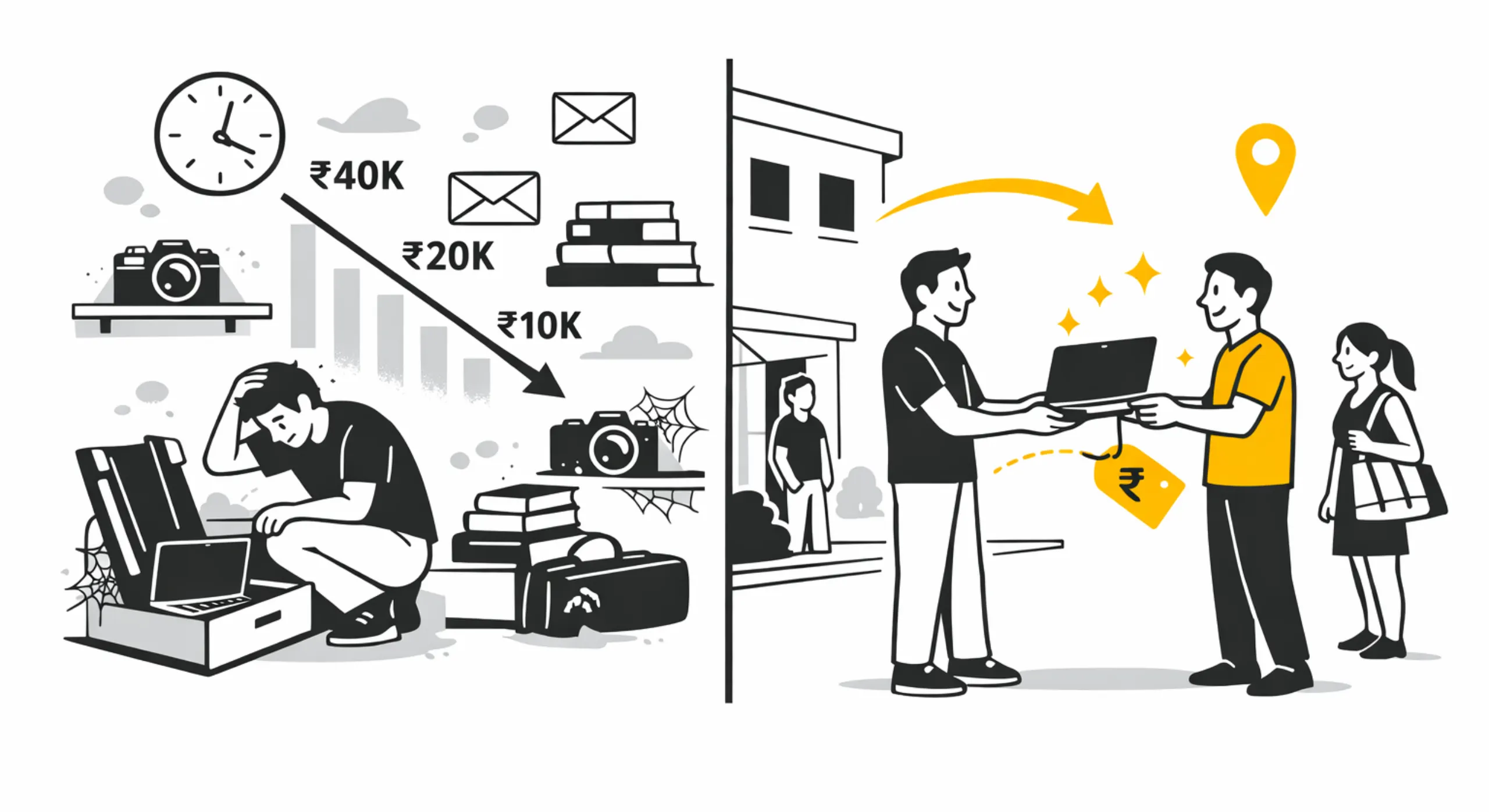



You’ve been messaging a buyer about your old phone for two days. They seemed interested, asked detailed questions, and even agreed to meet on Saturday. Then silence. No reply to your last three messages.
You’re left wondering: Did they change their mind? Are they still interested? Should you wait or move on?
This happens constantly on peer-to-peer platforms. Buyers ghost sellers. Sellers vanish mid-conversation. People express strong interest, then disappear without explanation. It wastes your time and stalls the entire selling process.
Crowded marketplaces make this worse. With thousands of listings available, buyers keep their options open, messaging multiple sellers simultaneously. They don’t bother informing you if they’ve bought from someone else or simply lost interest.
Local buying and selling through Sympl classifieds reduces this frustration. When you deal with nearby buyers and sellers who plan to meet in person, commitment levels are naturally higher. But even here, people sometimes stop responding. Knowing how to handle it saves time and helps you sell items fast.
Why People Stop Responding
Understanding the reasons helps you react appropriately instead of taking it personally.
They Found a Better Deal
Buyers often contact multiple sellers for the same product. If someone offers a lower price or better condition, they’ll pursue that option and forget to update you.
This isn’t malicious. It’s just how most people behave when they have choices. They focus on the best option and let the others fade away.
They Changed Their Mind
Interest fluctuates. A buyer who was excited about your bike on Monday might decide by Wednesday that they don’t actually need it.
Maybe they reconsidered the expense, found an alternative solution, or simply lost enthusiasm. It happens.
Life Got Busy
Sometimes it’s nothing to do with your product. They got caught up with work, family emergencies, or other priorities.
Your message is sitting unread in their inbox, and they genuinely plan to reply—just not right now.
They Were Never Serious
Some people browse casually, ask questions out of curiosity, and have no real intention of buying. They’re exploring options without commitment.
These time-wasters are frustrating, but they’re part of any marketplace. The key is identifying them quickly so you don’t waste effort.
Technical Issues or Missed Notifications
Occasionally, the reason is purely technical. Messages don’t get delivered, notifications get missed, or the app malfunctions.
It’s rare, but possible. Don’t assume malice when it could just be a technical glitch.
How Long Should You Wait Before Moving On?
There’s no universal rule, but here’s a practical approach.
Give Them 24-48 Hours
If someone is responding regularly and suddenly stops, wait a day or two before following up.
People have busy schedules. A gap of a day doesn’t necessarily mean they’ve lost interest.
After 48 hours with no reply, send one polite follow-up message. If they don’t respond to that within another day, it’s time to move on.
Don’t Send Multiple Follow-Ups
One follow-up is reasonable. Two is borderline. Three or more makes you look desperate and can actually discourage the buyer from responding.
If they haven’t replied after your follow-up, they’ve made their decision. Respect it and focus on other interested buyers.
Keep Your Listing Active
Don’t put all your hopes on one buyer. Continue responding to other inquiries while waiting for someone to reply.
If the original buyer eventually responds, great. If not, you haven’t wasted time waiting around.
What to Say in a Follow-Up Message
Keep it simple, polite, and non-pushy.
Example 1: “Hi, just checking if you’re still interested in the laptop. Let me know if you’d like to proceed or if you’ve decided otherwise. Thanks!”
Example 2: “Hello, wanted to confirm if you’re still planning to see the fridge this weekend. If not, I’ll connect with other buyers. Thanks for letting me know.”
These messages give the person an easy out while also signaling that you’re ready to move on if needed.
Don’t sound annoyed or accusatory. Even if you’re frustrated, a neutral tone keeps the door open in case they genuinely want to continue.
When to Move On Completely
If you’ve sent a follow-up and received no response after another 24 hours, stop waiting.
Mark them mentally as unresponsive and shift your attention to other buyers. Don’t waste emotional energy wondering why they didn’t reply.
In peer-to-peer transactions, people owe you basic courtesy, but you can’t force them to communicate. The practical response is to move forward quickly.
If they eventually reply days later with an excuse, you can decide whether to re-engage or politely inform them you’ve already sold the item.
How to Avoid Time-Wasters Early in the Conversation
You can’t eliminate unresponsive buyers entirely, but you can reduce wasted time by filtering out low-commitment inquiries.
Ask Clear, Direct Questions
When someone expresses interest, ask specific questions: “Are you available to meet this Saturday?” or “Can you come to see the item this week?”
Serious buyers will give concrete answers. Time-wasters will stay vague or avoid committing to a meeting.
Prioritize Buyers Who Commit to a Meeting
If someone agrees to a specific time and place, they’re more likely to follow through than someone who keeps saying “I’ll let you know.”
Focus on buyers who take clear steps toward completing the transaction.
Don’t Overinvest in Early Conversations
Save detailed explanations and extensive back-and-forth for buyers who’ve committed to meeting. If someone is just asking general questions without moving toward a decision, keep your replies brief.
You’ll know within a few messages whether they’re genuinely interested or just browsing casually.
What to Do If a Seller Stops Responding
The advice works both ways. If you’re a buyer and the seller goes silent, apply the same principles.
Send one polite follow-up after 24-48 hours. If they don’t respond, move on to other listings.
Don’t keep checking back repeatedly. If a seller isn’t responsive, they’re either unreliable or have already sold the item. Either way, not worth pursuing.
Good sellers reply promptly and keep you updated. If someone can’t manage basic communication, the actual transaction is likely to be equally frustrating.
How Local Buying and Selling Reduces This Problem
When you buy and sell locally, the expectation is that deals will close quickly through in-person meetings.
This urgency naturally filters out casual browsers. People who aren’t serious won’t bother contacting sellers if they know the process involves meeting face-to-face soon.
Sympl classifieds focus on nearby buyers and sellers, which creates accountability. When both parties know they’ll meet in person, they’re more likely to communicate clearly and follow through.
There’s no shipping timeline to stretch things out, no complicated negotiation process, and no reason to keep multiple options open indefinitely. You either meet and complete the deal, or you move on.
This simplicity reduces ghosting. Buyers and sellers who engage with local classifieds understand the straightforward nature of the transaction. They’re less likely to disappear mid-conversation because the entire process is designed for quick resolution.
Cost and Time Benefits of Moving On Quickly
The biggest mistake sellers make is waiting too long for unresponsive buyers.
Every day you spend waiting for one person is a day you could be connecting with serious buyers. The longer your item sits unsold, the more opportunities you miss.
By moving on quickly, you sell items fast and avoid the frustration of stalled negotiations. You also avoid the opportunity cost when new buyers might appear while you’re stuck waiting for someone who’s never going to reply.
Time-wasters cost you nothing if you identify and move past them quickly. But if you let them drag you into extended waiting periods, you lose real money in the form of delayed sales.
Who Benefits Most from Knowing How to Handle Unresponsive Buyers
Students selling gadgets, textbooks, or bikes need to close deals quickly, especially if they need cash urgently. Knowing when to move on prevents wasted time.
Families selling furniture, appliances, or kids’ items don’t have hours to chase unresponsive buyers. They benefit from clear strategies for filtering serious interest from casual browsing.
Working professionals juggling jobs and personal commitments can’t afford long, drawn-out negotiations. Moving on quickly from ghosting buyers keeps the process efficient.
First-time sellers often don’t know how to interpret silence. Understanding when to wait and when to move on builds confidence and prevents unnecessary stress.
Anyone who values their time and wants straightforward transactions will find these strategies helpful.
Practical Tips for Keeping Deals Moving
Here are some additional steps to minimize delays and unresponsive buyers.
Set clear deadlines. When arranging a meeting, be specific: “I can meet Saturday at 3 PM near City Mall. Please confirm by Friday evening.” This creates urgency and filters out people who aren’t committed.
Keep multiple conversations active. Don’t focus exclusively on one buyer. If you have three interested people, engage with all of them until someone actually shows up and completes the transaction.
Update your listing regularly. Reposting or refreshing your ad brings it back to the top of search results and attracts new buyers. Don’t rely solely on old inquiries.
Be honest if you’ve moved on. If someone replies after days of silence and you’ve already sold the item or committed to another buyer, tell them politely. It closes the loop and maintains goodwill.
Why Sympl Keeps Transactions Simple and Fast
Complex platforms create room for delays and ghosting. Elaborate messaging systems, extended negotiation processes, and shipping logistics all add friction.
Sympl focuses on local, direct transactions. The process is simple: post your listing, connect with nearby buyers, meet, and exchange.
This straightforward approach reduces the chances of people disappearing mid-conversation. When the entire process is designed for speed and clarity, both parties understand the expectation: move quickly or move on.
There’s no algorithm hiding your listing, no drawn-out verification process, and no reason to keep deals hanging indefinitely. Just clear, focused interactions that lead to real transactions.
Final Thoughts
Unresponsive buyers and sellers are an unavoidable part of peer-to-peer marketplaces. You can’t eliminate them, but you can handle them efficiently.
Wait 24-48 hours, send one polite follow-up, then move on if there’s still no reply. Don’t take silence personally, and don’t waste time chasing people who aren’t genuinely interested.
Focus on buyers who commit to meetings, answer clearly, and take concrete steps toward completing the deal. These are the people who will actually show up and buy.
Local buying and selling platforms like Sympl reduce ghosting by focusing on nearby buyers and sellers who meet in person. The process stays simple, fast, and grounded in real transactions rather than endless online conversations.
Stay patient but practical. When you buy and sell locally with Sympl classifieds and clear expectations, you’ll spend less time waiting and more time completing successful deals.