


You need a bike or scooter for daily commuting, but buying new means spending a lakh or more.
A used two-wheeler makes financial sense with the same utility, much lower cost. But the thought of buying someone else’s vehicle brings its own set of worries. What if the engine has issues? What if the papers aren’t clear? What if you’re paying for hidden problems that show up after the sale?
Online marketplaces show endless listings, but most sellers are in different parts of the city or different states entirely. You’re expected to trust photos and descriptions, commit to buying, and hope everything works out when the vehicle arrives.
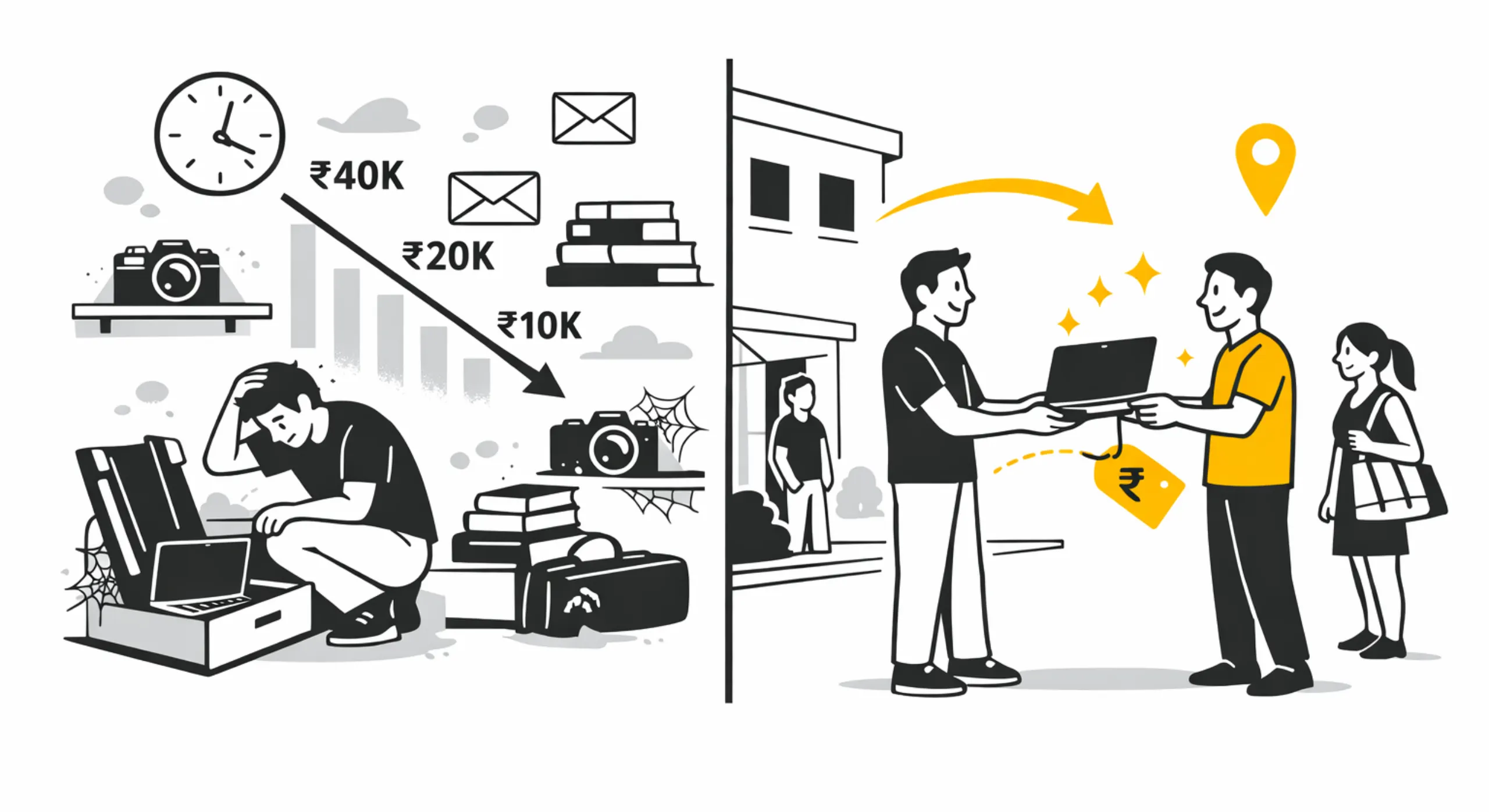
Local classifieds work differently. You find sellers nearby, meet them in person, inspect the two-wheeler yourself, take a test ride, and only pay when you’re satisfied. No guesswork. No shipping complications. Just a direct transaction where you see exactly what you’re getting.
Why Buying Used Two-Wheelers Feels Complicated
The main concern with second-hand bikes and scooters is not knowing their real condition.
Anyone can post good photos and claim their vehicle runs perfectly. But you don’t know if the engine sounds rough, if the brakes need work, or if the suspension is shot. These things only become obvious when you actually ride the vehicle.
Then there are documentation worries. Is the registration current? Are there pending challans? Is the bike financed or clear? Has it been in an accident that’s not mentioned in the listing?
Most platforms don’t address these concerns. They connect you with sellers across India, which means you’re making decisions based on limited information from someone you’ll likely never meet face-to-face.
For two-wheelers, inspection isn’t optional. You need to see the vehicle, check its papers, hear the engine, and test how it rides. That only works when the seller lives close enough to meet.
Essential Checks Before You Buy
When you buy and sell locally, you get the chance to inspect everything that matters before committing.
Here’s what you need to check:
Registration certificate (RC)
Ask to see the original RC. Verify that the owner’s name matches the seller’s ID. Check the registration date to confirm the vehicle’s age. Make sure the RC shows the correct engine and chassis numbers that match the vehicle.
Insurance status
Check if the vehicle has valid insurance. If insurance has lapsed, you’ll need to buy it separately, which adds to your cost. Verify the insurance papers and note the expiry date.
Pending challans or fines
Ask the seller if there are any pending traffic challans. You can check this online using the vehicle registration number on the Parivahan website or state transport apps. Unpaid fines become your responsibility after purchase.
No Objection Certificate (NOC)
If the bike was financed, make sure the seller has an NOC from the bank confirming the loan is closed. Without this, ownership transfer gets complicated.
Physical condition
Look for visible damage scratches, dents, rust spots, or signs of repainting that might indicate accident history. Check the condition of tyres, mirrors, lights, and indicators. See if any parts look recently replaced, and ask why.
Engine and mechanical check
Start the engine and listen carefully. It should start smoothly without unusual sounds. Let it idle for a few minutes, excessive smoke or strange noises are red flags. Check for oil leaks under the vehicle.
Brakes and suspension
Test both front and rear brakes. They should respond firmly without a spongy feeling. Press down on the handlebars and seat to check suspension. If it feels too soft or makes clunking sounds, repairs will be needed.
Lights and electricals
Turn on headlights, indicators, horn, and brake lights. Check the speedometer and fuel gauge. Make sure the self-start works, and try the kick-start if available.
Test ride
This is the most important check. Ride the vehicle yourself on different road conditions if possible. Feel how it accelerates, brakes, and handles turns. Listen for any unusual vibrations or sounds. A test ride reveals issues that aren’t visible when the vehicle is stationary.
Mileage and service history
Check the odometer reading. Ask when the vehicle was last serviced and if the seller has maintenance records. Regular servicing indicates the owner took care of the vehicle.
Taking these steps seriously protects you from buying a two-wheeler that becomes an expensive problem.
How Local Transactions Build Trust
When you find local buyers and sellers, the entire process becomes more transparent.
You’re meeting face-to-face, which makes sellers more accountable. They can’t hide behind vague listings or ignore your questions. You can have an honest conversation about the vehicle’s history, why they’re selling, and any issues they’ve noticed.
This direct interaction also lets you pick up on things that don’t show up in photos. How the seller talks about the vehicle, whether they’re upfront about problems, whether they have all the documents organised, these details tell you a lot.
If something doesn’t add up during your meeting, you can walk away without losing money. There’s no pressure to go through with the purchase just because you’ve already paid online or arranged transport from another city.
Being local also means you can verify claims more easily. If the seller mentions they got the bike serviced at a specific garage or bought it from a known dealer, you can check that information. You share the same city context, which makes trust easier to establish.
Finding Genuine Sellers in Your Area
The key to buying a reliable used two-wheeler is connecting with honest sellers nearby.
Sympl classifieds help because they prioritise proximity. When you search for a bike or scooter, you see listings from people in your area, not from across the state or country.
This makes meeting practical. If someone lists a vehicle today, you can go see it this week. No waiting for someone to ship it. No coordinating long-distance logistics.
Local sellers also tend to respond faster. They want to sell items fast without dealing with buyers from far away who might not follow through. The transaction stays straightforward for both sides.
When you find a listing that interests you, message the seller and ask basic questions why are they selling, how long have they owned it, and what’s the actual condition. Their responses will tell you if they’re serious.
Always arrange to meet in a public place during daytime. Bring someone with you if possible. Never agree to meet at isolated locations or after dark.
Pricing Based on Real Condition
Used two-wheelers should cost significantly less than new ones, but the exact price depends on age, condition, model, and mileage.
When you buy locally, pricing tends to be more realistic. Sellers know they’re competing with others nearby, so inflated prices don’t work. They also can’t hide problems that affect value when you’re inspecting in person.
You can negotiate more effectively face-to-face. If you notice worn tyres, a scratched panel, or signs that service is due soon, you can point these out and discuss a fair adjustment.
Before meeting the seller, research the vehicle’s current market value. Check what the same model is selling for new and what other used listings are asking. This gives you a reference point.
A two-wheeler that’s two to three years old in good condition typically sells for 60–70% of its on-road price. Older vehicles or those with high mileage or visible wear should cost less. Factor in any immediate repairs or servicing you’ll need to do.
Don’t feel pressured to accept the first price. If the condition doesn’t justify what the seller is asking, make a reasonable offer or look at other options. Low-cost buying only makes sense when you’re getting genuine value.
Who Benefits from Buying Two-Wheelers Locally
This approach works especially well for certain groups of people.
Students needing affordable transport
If you’re moving to a new city for college or starting your first job, buying a used bike locally gets you reliable transport without draining your savings.
Working professionals looking for daily commute options
When you need something practical for office commutes and errands, a well-maintained used scooter or bike does the job at a fraction of new vehicle costs.
Families buying a second vehicle
If you already have a car but need a two-wheeler for quick trips or for another family member, buying second-hand locally makes financial sense.
First-time buyers of used vehicles
If you’ve never bought a used bike before, starting with a local transaction feels less risky. You can inspect thoroughly, ask questions, and make an informed decision.
Anyone who values transparency and wants to see exactly what they’re paying for before committing will find this method more reliable.
Understanding the Transfer Process
Once you’ve checked the vehicle and agreed on price, you need to transfer ownership legally.
This requires both buyer and seller to visit the local RTO (Regional Transport Office) together with the necessary documents:
- Original RC
- Insurance papers
- Seller’s ID proof and address proof
- Buyer’s ID proof and address proof
- NOC from finance company
- Filled Form 29 and Form 30
The RTO will update ownership records and issue a new RC in your name. This process typically takes a few weeks, though timelines vary by state.
Some sellers offer to handle the transfer later or suggest skipping it to save time. Don’t agree to this. Without proper transfer, the vehicle legally belongs to the previous owner, which creates problems with insurance claims, challans, and if you want to sell later.
Make sure the seller is willing to complete this process before you finalise the purchase. The small effort of doing this properly protects both sides.
Why Sympl Classifieds Work Better for Vehicle Purchases
Crowded marketplaces are filled with dealers, refurbished vehicle sellers, and commercial listings.
These platforms aren’t built for individual buyers and sellers having straightforward transactions. Your search results mix personal sellers with businesses offering finance schemes and exchange options which adds complexity and often inflates prices.
Sympl classifieds focus on direct connections between local buyers and sellers. You’re not competing with dealerships or professional resellers. You’re finding people in your neighbourhood who are selling a vehicle they actually used.
This keeps transactions honest. No hidden dealer margins. No pressure to buy add-ons or extended warranties. Just two people meeting, inspecting a vehicle, and settling on a fair price.
For buyers, this means access to well-maintained two-wheelers at genuinely lower prices. For sellers, it means selling items fast without listing fees or complicated verification processes.
Moving Forward with Your Purchase
Buying a used two-wheeler locally removes most of the uncertainty that comes with second-hand vehicles.
You meet the seller in person, inspect the bike or scooter thoroughly, take it for a test ride, and verify all documents before paying. The process is transparent, and you know exactly what you’re getting.
You save money without compromising on quality. A three-year-old bike in good condition performs reliably for daily use and costs much less than buying new.
And because you’re buying nearby, if any genuine concern comes up in the first few days, you can reach the seller more easily than someone who arranged delivery from another state.
This is how local buying and selling works best, practical, direct, and built on the idea that inspecting something properly before buying makes sense. Especially for purchases as significant as a vehicle you’ll use every day.