


You’ve listed your old phone at a fair price. Within hours, the messages start flooding in.
“Lowest price?” “Half dega?” “Final price bata do.” “Last price kya hai?”
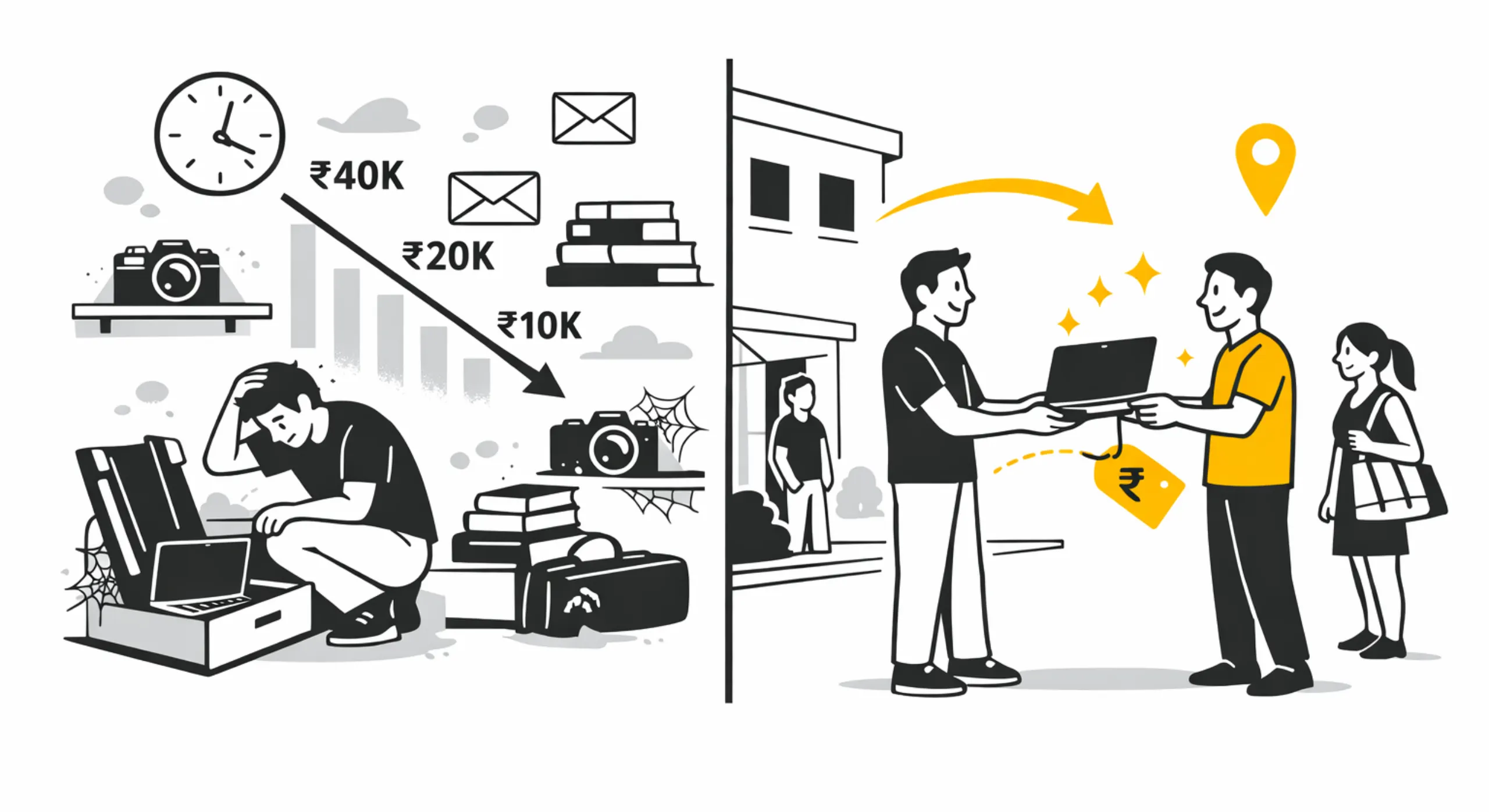
You explain the condition, justify your pricing, and share more photos. They either disappear or come back with an offer that’s 40% lower than what you asked.
This cycle repeats with every new inquiry. Days pass, and you’re exhausted from the same conversations that go nowhere.
Here’s the truth: endless bargaining happens when sellers make it easy for buyers to haggle. The way you price, present, and respond to inquiries either invites aggressive negotiation or discourages it.
When you buy and sell locally through simple classifieds like Sympl, you can use strategies that filter out time-wasters and attract serious buyers who are ready to pay fair prices without turning every conversation into a negotiation battle.
Why Bargaining Gets Out of Hand
Bargaining is normal in second-hand transactions. Most buyers will ask if there’s any flexibility on price that’s expected.
But endless bargaining is different. It’s when every single inquiry starts with “lowest price?” and every conversation becomes a drawn-out negotiation, regardless of how fairly you’ve priced the item.
This happens for specific reasons, and most of them are in your control.
Your listing doesn’t build confidence
When photos are unclear, descriptions are vague, or you haven’t mentioned flaws, buyers assume you’re hiding something.
They don’t trust your pricing, so they haggle aggressively to offset the risk. If you’re not upfront about the condition, they figure they’ll negotiate down just in case.
The less confidence your listing builds, the more buyers will bargain.
You’ve priced above local market rates
If similar items nearby are listed at ₹10,000 and yours is ₹14,000, every buyer will try to negotiate you down to match the competition.
You’re essentially inviting bargaining by pricing out of sync with your local market. Buyers know what else is available, and they’ll use that to push for lower prices.
You respond to every lowball offer
When someone messages “Half price?” and you engage with “I can do 20% off,” you’ve signaled that your price is negotiable.
Even worse, you’ve shown that extreme lowballing works. Word spreads (not literally, but in buyer behaviour patterns), and soon everyone’s testing how low you’ll go.
You seem desperate or too eager
If you reply instantly to every message, agree to multiple price drops, or keep following up with buyers who’ve gone silent, you signal desperation.
Buyers sense this and push harder on price, assuming you’ll accept anything just to make the sale.
When you sell items fast through local classifieds, these patterns become even more visible because buyers can easily compare your listing to others nearby. The key is to set up your sale in a way that discourages excessive bargaining from the start.
Practical Ways to Reduce Unnecessary Haggling
Price fairly from the beginning
This is the single most important step.
Research what similar items are selling locally not what people are asking, but what’s actually moving. Price yours competitively within that range.
When your price is already fair, serious buyers recognise it. They might ask for a small reduction, but they won’t try to cut it in half.
Platforms like Sympl help with this by showing you what’s available nearby, so you can set realistic prices based on your actual market.
Write clear, detailed descriptions
Don’t just say “good condition.” Be specific.
“Used for 18 months, works perfectly, minor scratch on back panel (see photo 3), all accessories included” tells buyers exactly what they’re getting.
When buyers know the full picture upfront, they trust your pricing more. There’s less room for them to argue that the item isn’t worth what you’re asking.
Include quality photos from multiple angles
Clear, well-lit photos showing the item’s actual condition remove doubt.
If there’s damage or wear, photograph it. Buyers appreciate honesty, and it prevents them from using flaws they “discover” during inspection as leverage for last-minute bargaining.
State your pricing policy in the listing
Add a simple line like “Price is firm” or “Slight negotiation possible after inspection.”
This sets expectations upfront. Buyers who see “price is firm” and still message with “lowest price?” are time-wasters you can ignore.
Those who respect your boundary are more likely to be serious buyers.
Don’t respond to “lowest price?” messages
When someone’s opening message is just “lowest price?” with no other context, they’re testing the waters, not seriously interested.
Either don’t respond at all, or reply once with “The price is mentioned in the listing. You’re welcome to inspect the item.”
Don’t engage in back-and-forth. It wastes your time and signals that you’re open to extreme negotiation.
Invite inspection before negotiation
“You can come see it and we’ll discuss the price after you’ve checked the item” is a powerful response. It shifts the conversation from abstract bargaining to real evaluation. When buyers inspect and see that your item is as described, they’re far less likely to haggle aggressively. Many lowballers disappear at this point because they were never planning to actually visit,they were just seeing who’d cave to low offers.
Be patient and don’t chase buyers
If someone makes an unreasonable offer and you decline, let it go. Don’t follow up with “Okay, I can reduce a bit more.” Buyers who are genuinely interested will come back if your item is what they need. Chasing them signals desperation and invites more aggressive bargaining.
Set a minimum acceptable price in your mind
Decide ahead of time the lowest you’ll go. When buyers negotiate, you know exactly where your line is. If they cross it, you politely decline and wait for the next buyer. Having this clarity prevents you from making emotional decisions during negotiations.
How Local Buying and Selling Naturally Reduces Haggling
Inspection removes negotiation excuses
When buyers can see and test the item in person, they can’t claim it’s not as described or use imagined flaws to justify lowball offers.
They check the washing machine, confirm it works, and either accept the price or walk away. The negotiation, if any, is based on reality, not speculation.
This is one of the biggest advantages of selling locally. You’re letting the item speak for itself.
Local market context keeps expectations realistic
When you buy and sell locally, both sides understand what things cost in that area.
A buyer in your neighbourhood knows what second-hand fridges go for nearby. If your price is in line with local rates, they’re less likely to push for unrealistic reductions.
Platforms like Sympl reinforce this by keeping everything local, so pricing stays grounded in shared market knowledge.
Direct conversations build mutual respect
When you’re dealing with someone face-to-face or planning to meet soon, the tone changes.
People are generally more respectful and reasonable when they know they’ll meet you. The anonymity that enables aggressive online bargaining disappears.
You’re not just a listing, you’re a person in their area. That changes how buyers approach negotiation.
Serious buyers self-select
When your listing is clear, fairly priced, and welcomes inspection, serious buyers reach out while time-wasters move on.
You get inquiries from people who can actually visit, who’ve read your description, and who understand the value. These buyers negotiate reasonably, if at all.
The result? Fewer conversations, but better quality. Deals close faster with less hassle.
What to Say When Buyers Try Aggressive Bargaining
When they open with “lowest price?”
“The price is listed. You’re welcome to come inspect the item.”
This redirects the conversation from abstract bargaining to a real evaluation.
When they offer half your asking price
“That’s too low for the condition this is in. The price is fair for the local market.”
State it calmly and move on. Don’t justify further or get defensive.
When they claim they found it cheaper elsewhere
“That’s great – you should go with that option then.”
Don’t compete with phantom listings. Either they’re lying, or they should buy the other one. Either way, not your problem.
When they ask for delivery or extras to justify the price
“Price is for the item as listed. Pickup is at my location.”
Don’t add services or concessions just to close the sale. It sets a bad precedent.
Cost and Time Benefits of Avoiding Endless Bargaining
You save hours of unproductive conversations
Every minute spent negotiating with someone who’ll never buy is a minute you’re not spending on a serious buyer. When you filter out hagglers early, you focus on people who are ready to complete the transaction.
Fair pricing attracts better buyers
When you price realistically and hold firm, you naturally attract buyers who value fairness over getting the absolute cheapest deal. These are the people who pay, pick up, and don’t create drama. Transactions with them are smooth and respectful.
Less emotional exhaustion
Constant lowballing is draining. It makes you feel like your items aren’t worth anything, even when you’ve priced them fairly. When you set boundaries and stick to them, selling becomes less stressful. You’re in control of the process.
Who Benefits Most from These Strategies?
Students selling before relocating
You don’t have time for endless negotiations. You need quick, straightforward sales so you can wrap things up before moving. Setting firm prices and targeting local buyers helps you sell items fast without the haggling headache.
Families clearing household items
Parents don’t want to spend their evenings negotiating over kids’ old toys or used furniture. Fair pricing and clear boundaries attract serious buyers who complete transactions without drama.
Working professionals with limited patience
You have neither the time nor the energy for aggressive bargaining. Using Sympl classifieds and pricing strategically helps you connect with local buyers and sellers who respect your time.
First-time sellers overwhelmed by lowballers
If you’re new to selling, aggressive bargaining can be intimidating. These strategies give you clear responses and help you maintain control without feeling pressured.
Set the Terms, Don’t React to Them
Endless bargaining happens when you let buyers control the conversation from the first message.
When you set clear expectations – through fair pricing, detailed listings, firm boundaries, and strategic responses you take back control.
You’re not being difficult or unreasonable. You’re being professional and respectful of your own time and the value of your items.
When you buy and sell locally, this approach works even better because serious buyers self-select. They’re the ones who can actually visit, inspect, and complete the transaction. They appreciate transparency and fair pricing.
Platforms like Sympl make this easier by connecting you with nearby buyers who understand local market rates and are ready to act, not just browse and bargain.
You don’t need to engage with every lowball offer or justify your price to people who were never going to buy. Focus on the buyers who matter, set reasonable terms, and let the time-wasters move on.
That’s how you sell items fast without the exhaustion of endless negotiation. That’s how local selling works when you do it right.