

Introduction:
Micro-Neighbourhood Listings are changing the way people buy and sell on local classified platforms. When people search for items, they usually focus on price and condition first. However, one factor often decides whether a deal actually happens: distance.
You might find a second hand ceiling fan listed at a good price. The seller may even be in the same city. But if the item is forty-five minutes away and requires arranging transport, the deal quickly becomes inconvenient.
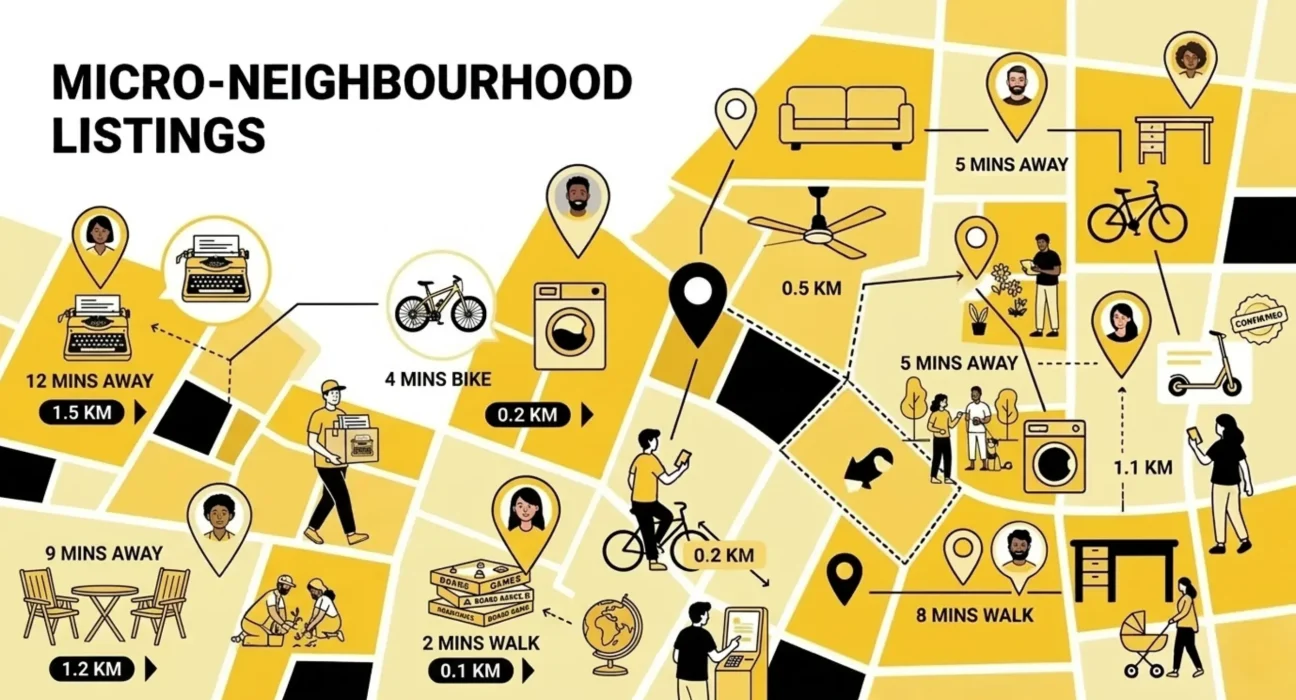
This is where micro-neighbourhood listings make a difference. Instead of showing only the city where the item is located, these listings provide a much more specific location such as the exact colony, layout, or nearby landmark.
For buyers and sellers, this small detail can remove major friction from the transaction. In many cases, micro-neighbourhood listings turn a casual browser into a real buyer because the logistics suddenly become practical.
This article explains why these listings matter, how they improve local transactions, and how sellers can use them effectively.
The Problem with City Level Listings
Many classified platforms organise listings by city. While this makes sense at a broad level, it often fails to reflect how people actually make buying decisions.
Large cities can stretch across dozens of kilometres. Simply knowing that an item is located in a city does not tell buyers whether collecting it will be easy or expensive.
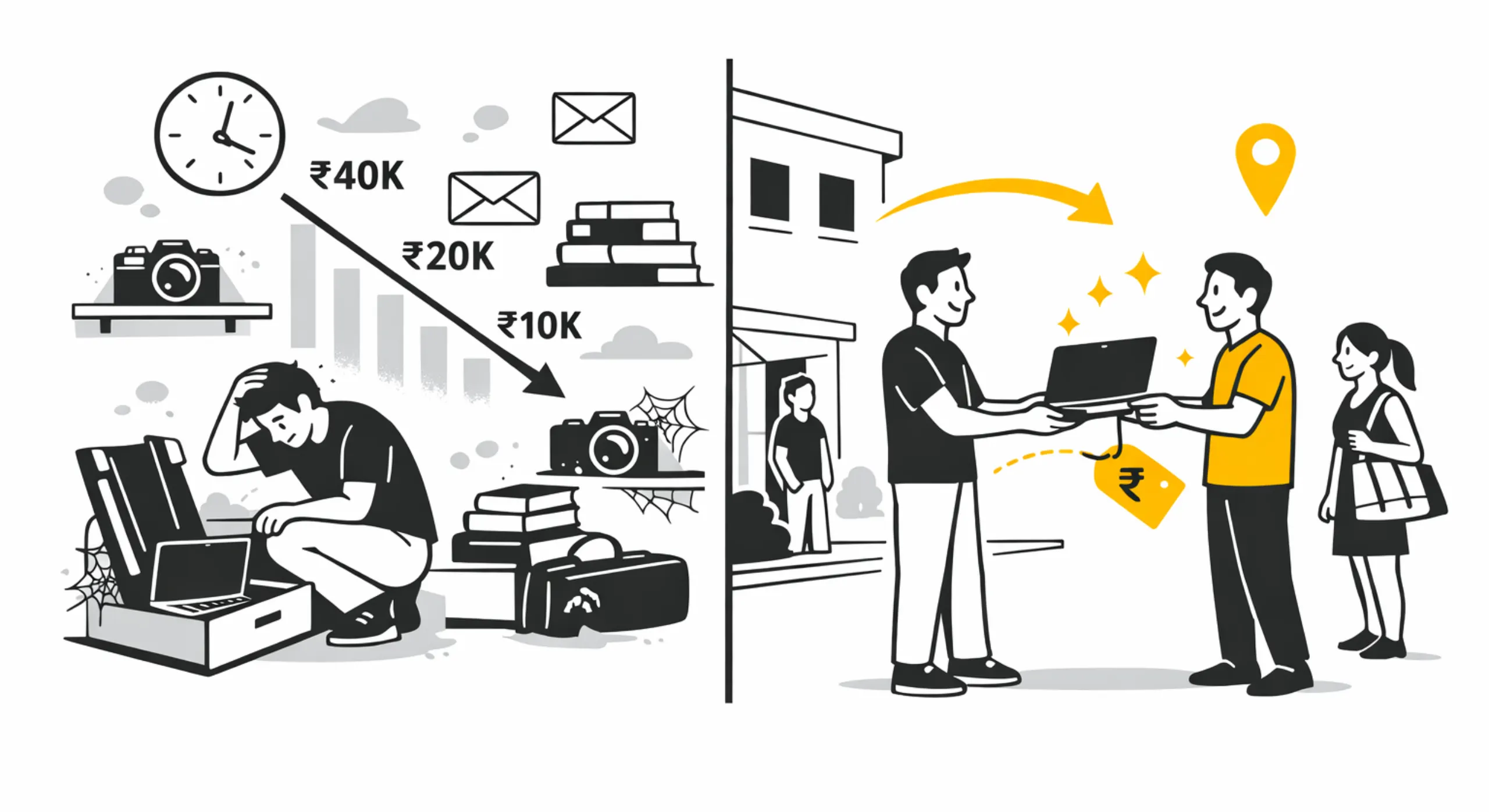
For example, someone living in one part of a city may find a listing on the other side that technically appears nearby on the platform but requires over an hour of travel in traffic. Once the buyer considers transport costs and time, the item may no longer feel worth pursuing.
Because of this, many buyers skip listings that lack clear location details. Even when the price and condition are good, the uncertainty about distance discourages them from contacting the seller.
Why Micro-Neighbourhood Listings Make Buying Easier
Faster Decisions for Buyers
One of the biggest advantages of micro-neighbourhood listings is that they allow buyers to make quick decisions.
When a listing clearly mentions the exact area or colony, buyers immediately know whether the trip will be convenient. If the seller is nearby, the buyer is more likely to reach out and arrange a pickup.
Removing uncertainty helps buyers move from browsing to action.
More Relevant Inquiries for Sellers
Sellers often experience frustration when they receive inquiries from buyers who later realise the location is too far away.
This usually happens when the listing only mentions the city rather than the exact neighbourhood. Buyers ask questions, negotiate the price, and then abandon the deal once they discover the distance.
By using micro-neighbourhood listings, sellers attract inquiries only from people who already know the location is manageable. This reduces wasted conversations and increases the chances of completing the sale quickly.
Simpler Handover and Pickup
When buyers and sellers live in the same neighbourhood or nearby areas, arranging the exchange becomes significantly easier.
They can meet at a convenient landmark such as a metro station, a shopping centre, or a nearby street corner. The entire transaction can often be completed within a short time.
For items that require transportation, shorter distances also reduce the cost and effort involved.
How to Use Micro-Neighbourhood Listings Effectively
If you want your listings to attract the right buyers, providing clear location details is essential. A few simple practices can improve visibility and response rates.
Mention the Exact Area
Instead of listing only the city, mention the specific colony, sector, or residential layout. This helps nearby buyers immediately recognise the location.
Add a Nearby Landmark
If the area name is unfamiliar to many people, adding a landmark makes the location easier to understand. Examples include a metro station, shopping mall, or well-known road.
Clarify Pickup Arrangements
Let buyers know whether the item must be collected from your home or whether you can meet at a nearby location. Clear instructions help prevent confusion later.
Avoid Vague Location Descriptions
Descriptions such as city centre or main road provide little useful information. Specific location details always work better.
Items Where Neighbourhood Proximity Matters Most
Not every item is equally affected by distance. Some products are easy to carry or ship, while others require careful transport.
Items where proximity matters most include:
- Furniture such as beds, sofas, wardrobes, and tables
- Large appliances like refrigerators and washing machines
- Bicycles, scooters, and other vehicles
- Heavy electronics including televisions and desktop computers
- Home fixtures such as fans and water heaters
Because these items are difficult to transport across long distances, buyers usually prefer sellers who live nearby.
Smaller items such as books, phones, or kitchen gadgets are easier to carry, so buyers may be willing to travel slightly farther.
Why Local Classified Platforms Benefit from Micro-Neighbourhood Listings
Local marketplaces are designed to connect people who live in the same city or region. However, the most successful transactions often happen when buyers and sellers are located with in the same neighbourhood.
Platforms that support micro-neighbourhood listings create a more efficient marketplace by helping users find items close to where they already live or work.
This approach offers several advantages:
- Buyers can discover nearby listings more easily
- Sellers receive inquiries from relevant buyers
- Transactions happen faster because travel is convenient
- Both parties avoid complicated shipping or logistics
These benefits make neighbourhood level listings particularly valuable for second hand marketplaces.
The Cost and Time Advantage of Local Transactions
Distance does not only affect convenience. It also affects cost.
When buyers collect items from nearby sellers, they save money on transportation. Even small differences in distance can significantly change the cost of hiring a vehicle or taking a cab.
Shorter distances also save time for both buyers and sellers. Instead of coordinating long trips across the city, they can complete the transaction quickly.
As a result, items listed with precise location information often sell faster than those with vague location details.
Who Benefits Most from Micro-Neighbourhood Listings
Several groups of people benefit strongly from neighbourhood level classifieds.
Working Professionals
People setting up new homes often prefer buying furniture or appliances from nearby sellers because transport is easier.
Students
Students living near universities frequently buy second hand items from others in the same area. Nearby listings make these transactions simple.
Families Moving Homes
During relocation, families may need to sell bulky items quickly. Local buyers who live nearby are the most practical option.
First-Time Sellers
New sellers sometimes struggle to receive responses because their listings lack detailed location information. Adding neighbourhood details can dramatically improve inquiry quality.
Conclusion:
Micro-Neighbourhood Listings make local buying and selling simpler by helping buyers find items that are actually close to them. When people know the exact neighbourhood of a listing, they can quickly decide whether the trip is convenient and worth their time. For sellers, this means more relevant inquiries and faster sales.
On platforms like Sympl and the Best Classified Sites In Hyderabad, adding clear neighbourhood details helps connect buyers and sellers who live nearby. In the end, Micro-Neighbourhood Listings reduce distance barriers and make local classified transactions faster, easier, and more practical for everyone.